By Ashley Erika O. Jose, Reporter
THREE regional shipping lines are raising passenger and cargo rates by up to 25% following a surge in fuel costs triggered by the closure of the Strait of Hormuz, which pushed global oil prices above $100 per barrel.
While the Philippine Ports Authority (PPA) reported that maritime gateways remain physically operational, the sector is reeling from escalating bunker costs that have forced these companies to revise their fare matrices to offset rising diesel and kerosene prices.
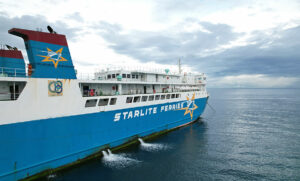
Starlite Ferries, Inc., a unit of Chelsea Logistics and Infrastructure Corp., announced in a Monday advisory that both passenger and cargo rates would increase by up to 25% starting March 10.
“The price of fuel has been steadily increasing since January of this year. On top of that, there is an abrupt high spike of fuel price that was implemented during the first week of this month and an impending big-time price hike in the coming weeks due to the ongoing conflict in the Middle East,” Starlite Ferries said.
Starlite operates vital maritime corridors including Batangas, Calapan, Cebu, and Surigao.
Other regional operators followed suit. Montenegro Shipping Lines, Inc. will implement a 10% to 20% increase in passenger and vehicle rates across its routes starting March 23. FastCat, Inc. operated by Archipelago Philippine Ferries Corp., revised its fare matrix upward for both passengers and vehicles beginning March 6.
FastCat serves Batangas, Mindoro, Cebu, and Surigao, while Montenegro also covers Batangas to Mindoro routes and several key Visayas and Mindanao corridors.
The fare adjustments follow a dire forecast from the Department of Energy (DoE), which projected domestic diesel prices would rise by P17.50 to P23 per liter and kerosene by P32 to P36 per liter.
These domestic increases are a direct result of global oil prices breaching the $100-per-barrel mark after the closure of the Strait of Hormuz, a primary global shipping corridor.
While the PPA maintained that the nation’s major terminals continue to operate without reported disruptions, the regulator warned that ongoing tensions in the Middle East present significant economic risks.
The PPA also said that rising bunker costs and freight rates could eventually weigh on cargo volumes across the archipelago if the situation persists.